中文
中文
City Emergency Command and Dispatch System
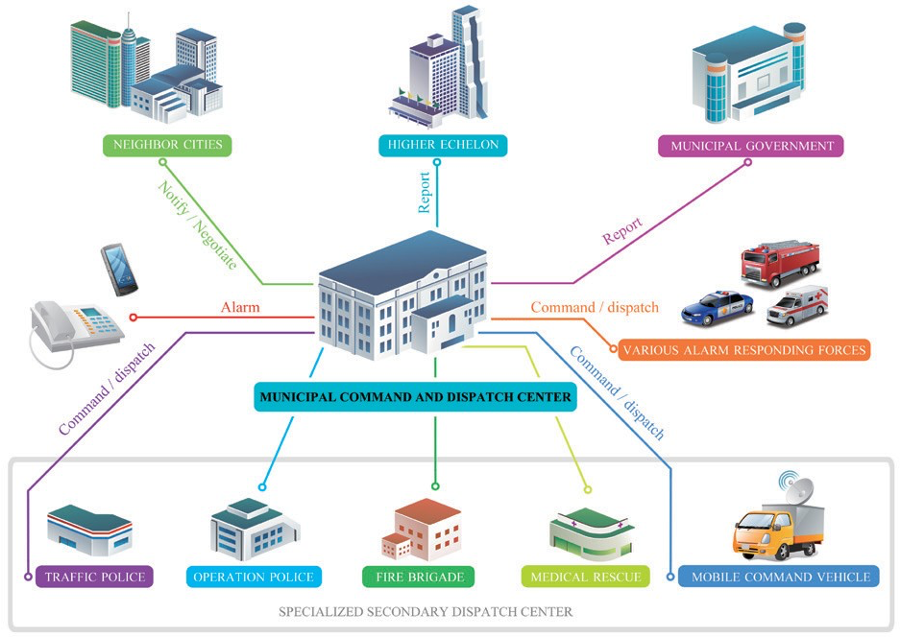
Command and Dispatch Relationship
Emergency command and dispatch system (ECDS) is an urban information infrastructure based on information network, which integrates voice, data and image and features seamless interaction among systems. The ECDS incorporates and integrates the emergency command and dispatch for public security, fire fighting, sanitation and rescue, and traffic accident into a management system through the integrated information network and communication system. It achieves unified alarm receiving, unified command, united action and rapid response by means of shared command platform and integrated information.
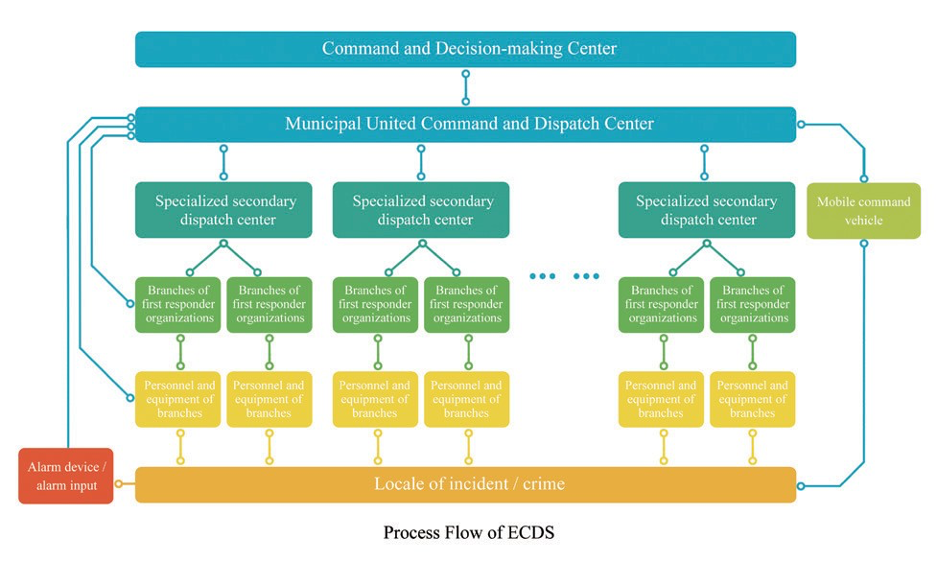
- Establish a unified command and communication system
– Coordinates public security command center, fire fighting command center, traffic police command center and emergency medical rescue command center to achieve unified alarm receiving, unified command, united action and rapid response
- Integrate and perfect emergency information resources and communication resources nationwide
– Construction a wired/wireless cross-platform communication network ( combines computer network, PSTN network, video monitoring/conferencing system and digital trunk communication system ) with information services of GPS location and Police GIS
- Application of the advanced computer-aided dispatch technology
– Make the process flow more scientific and accurate, the response speed maximized and the probability of human error minimized
- Build a scientific decision-making system
– Design unified alarm record database, generate various analysis reports, and enrich and perfect prior plan database to provide support for emergency response, command and dispatch, and decision-making analysis
Main features:
- Real-time video for remote monitoring
- Local and remote playback historical video record
- Bidirectional voice communication
- Long-distance image backup
- Centralized management and distributed storage
- Linkage alarm system and response
- Remote browsing by internet
- Linkage to remote control center
- Linkage to multi-stage police command center and remote control center
- Security administration, ID authentication and license
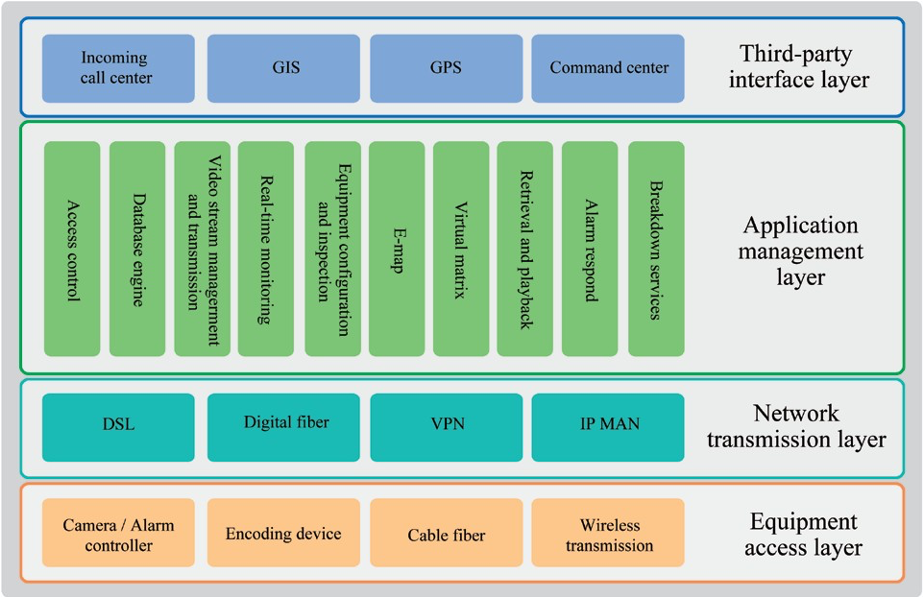
Multi-layer architecture of the system
Project example 1. Mixed-signal mode video surveillance and alarm system
The basic units of Mixed-signal Mode Video Surveillance and Alarm System (MMVSAS) are police stations in urban which received and applied information. In order to respond and then crack down on crime, video and alarm message should be connected to police stations, and that is the way to exert farthest efficiency in MMVSAS. Consequently, the principle of technology course and strategy in MMVSAS is down to up. Actually, a mixed- signal mode is a stage in building up public security net, and also a prophase project of city alarm and surveillance system. The project has features such as easy to implement, low technology request and evident achievement.
Project example 2. Digital mode video surveillance and alarm system
A city alarm surveillance system should be net form, so that is convenient for realized massive video information, and circulated and shared and managed alarm information. Whereafter, the system is easy to pick up useful message in massive video and increase efficiency and then realize early warning by behavior analysis technology.
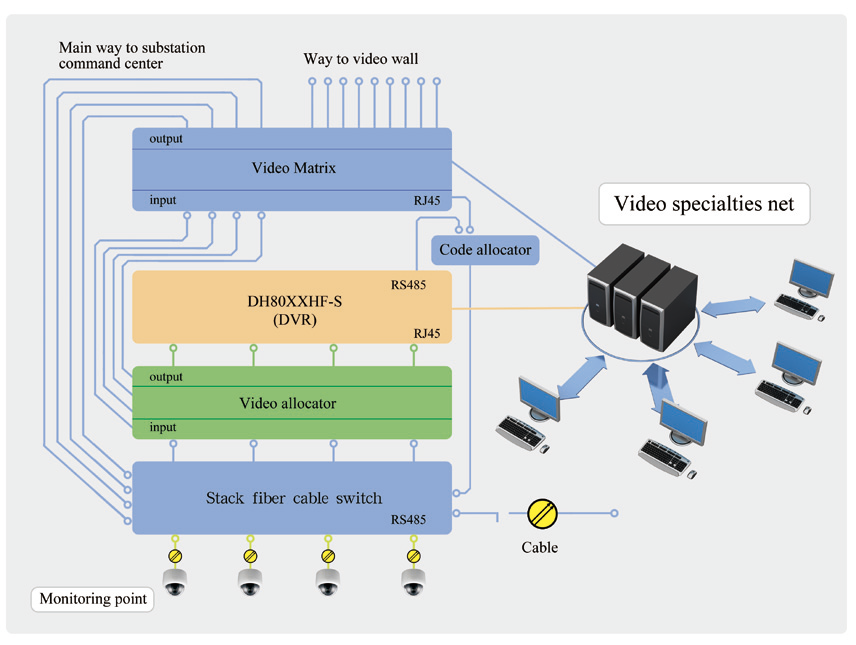
Mixed-signal mode video surveillance and alarm system
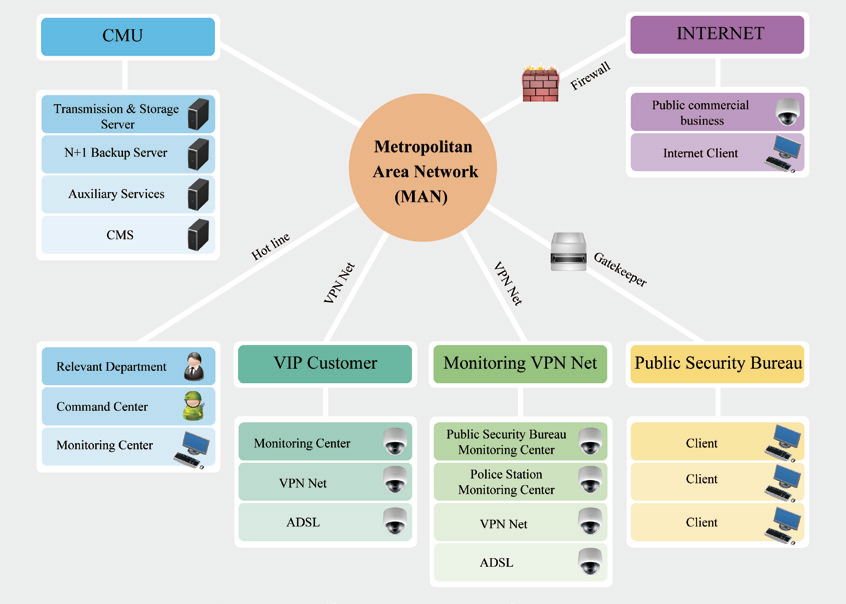
Digital mode video surveillance and alarm system
-
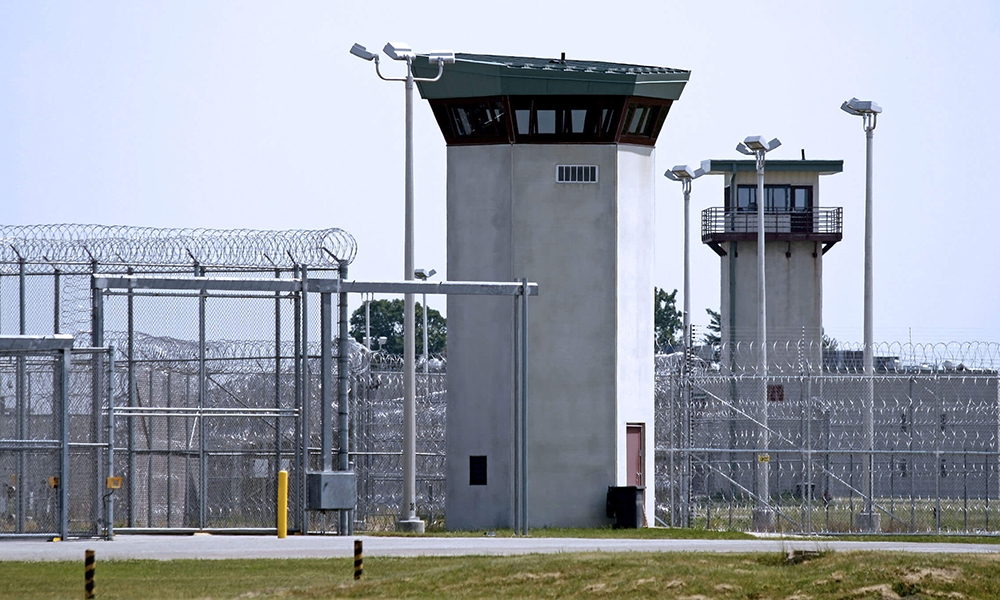
- Monitoring and Control Solution of Prison
-
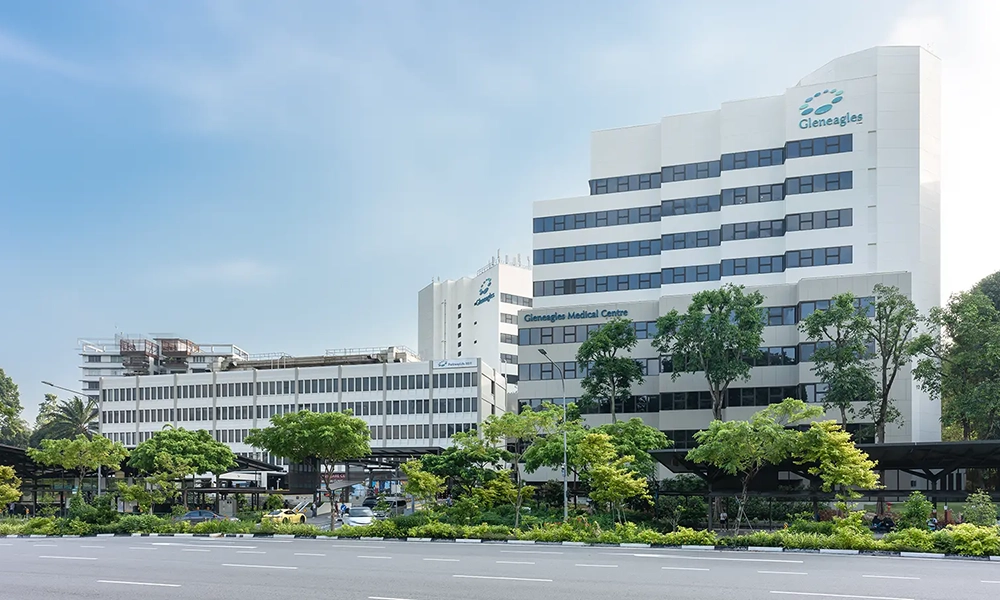
- General Management Solution of Public Health
-
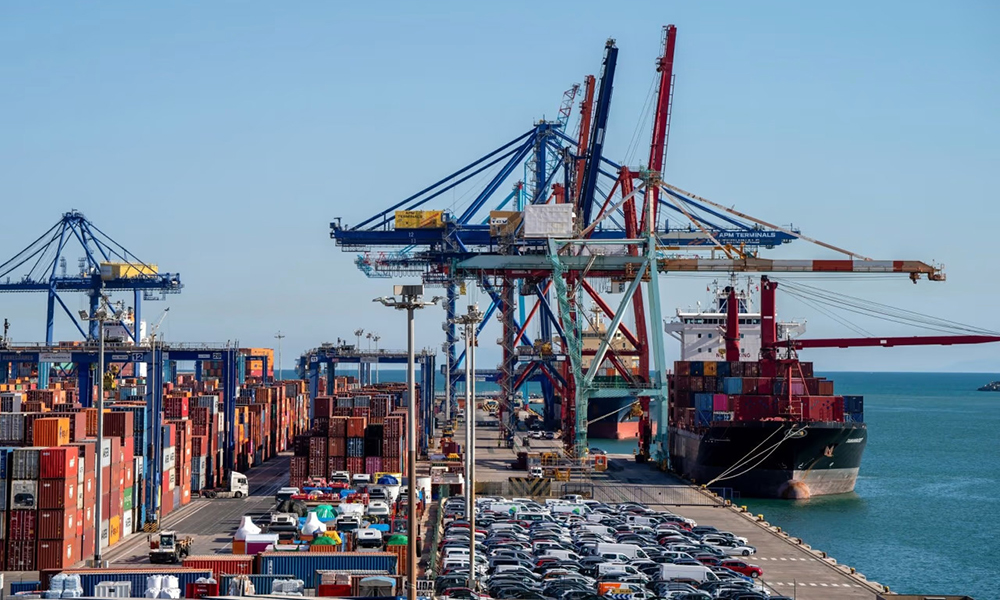
- Harbor Administration Solution
-
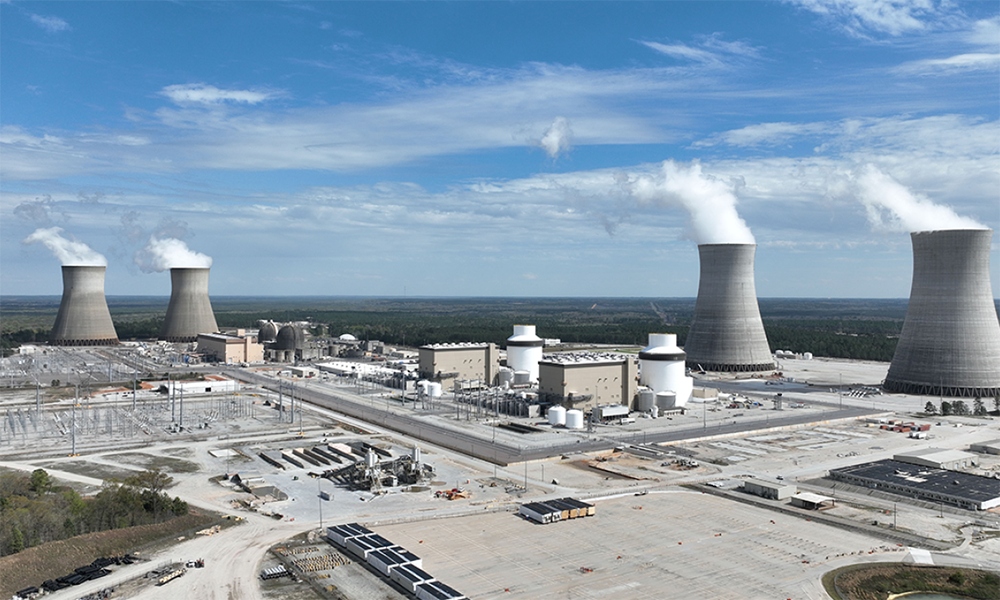
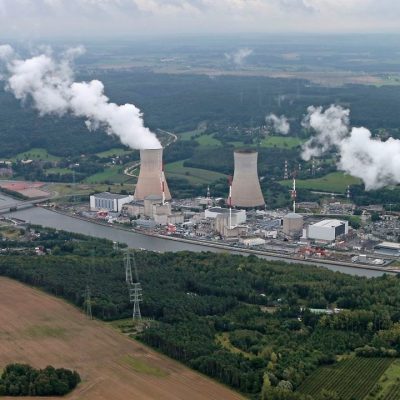
- Safety Precaution Solution of Nuclear Power Plant
Intelligent Traffic Management System
Intelligent traffic management system which adopted advanced technology and equipments is based on the actual needs of urban traffic management. It constructed basic resource sharing, interface standards,good scalability, highly integrated for the modern traffic management system.By constructing five subsystems as traffic signal control, e-police, vehicle inspection, traffic guidance, and command center, intelligent traffic management system can achieve auto collection, comprehensive analysis, further research, widely application on urban traffic management dynamic and static information. The system is characterized by real-time, safe, reliable and harmonious intelligent traffic management and control system. It can bring traffic police’s dynamic control, coordination and command abilities into full play. At the same time, ITMS will also provide technology and data support for decision-makers.
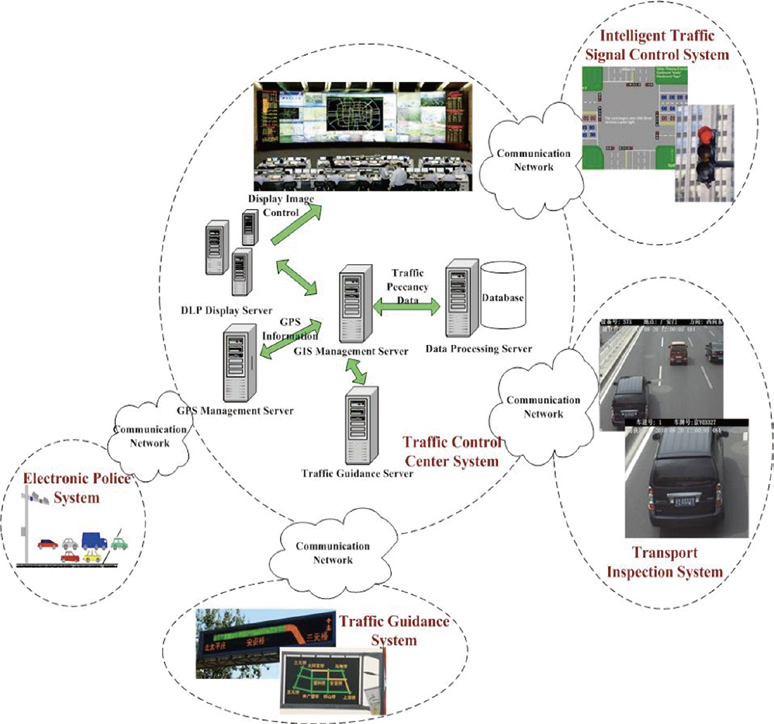
System Architecture
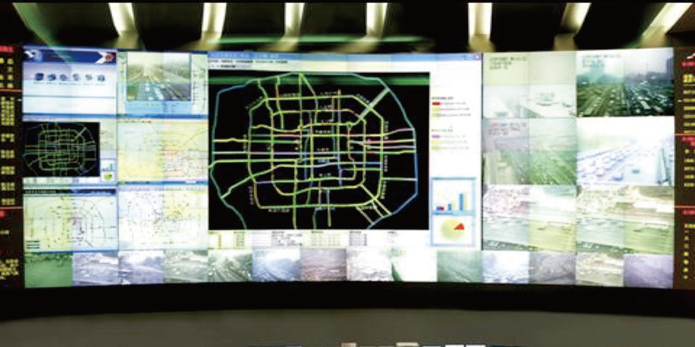
Traffic Command Center System
Traffic command center system accesses to the existing and new systems with the integration platform of transportation geographic information system (GIS-T) and makes the information resources sharing become possible, brings the effectiveness of the system into full play and forms a scientific and efficient traffic control scheduling system with the functions of data acquisition, processing, decision making, organization and coordination and command through central data processing system.
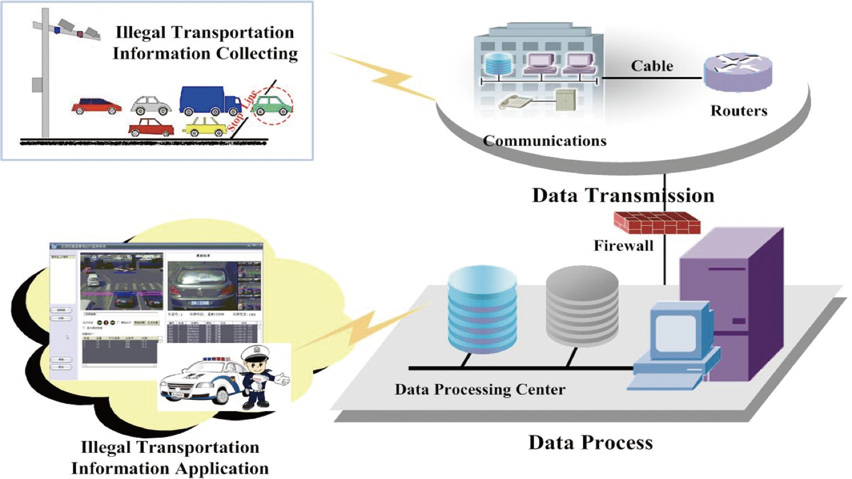
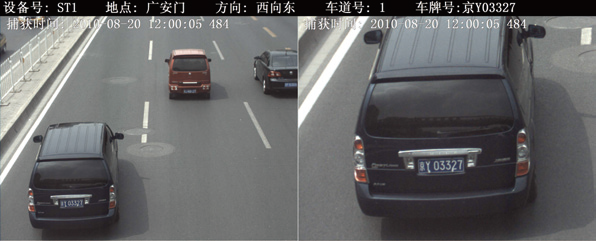
Electronic Police System
Electronic police system relies mainly on video devices to gain vehicle information, such as vehicle license plate, vehicle color, vehicle type, vehicle sign, vehicle speed and so on, which provides vital evidence for transportation law enforcement. Electronic police system could apply to the following occasions: running red lights, speeding, running one-way or no entry line, running bus lane, emergency lane occupancy, running traffic channelized line and so on.
Vehicle Inspection System
Vehicle inspection system obtains information such as vehicle license plate by video equipment, and then compares with blacklist database to achieve the functions of monitoring and checking, hit-and-run, stolen vehicles, scrapped vehicles, fake plate vehicles, suspect vehicles, vehicles on traffic offense blacklist, special vehicles (dangerous goods vehicles, school buses, etc.) and so on.
Vehicle Inspection System Vehicle inspection system obtains information such as vehicle license plate by video equipment, and then compares with blacklist database to achieve the functions of monitoring and checking, hit-and-run, stolen vehicles, scrapped vehicles, fake plate vehicles, suspect vehicles, vehicles on traffic offense blacklist, special vehicles (dangerous goods vehicles, school buses, etc.) and so on.
Intelligent Traffic Signal Control System Intelligent traffic signal control system can accomplish coordinated control between the inductive and adaptive signals in certain area, green-wave coordinated control in certain route and bus signal priority control, which effectively improve the vehicles’ speed, alleviate the traffic congestion, reduce the pollution discharged by the cars, and provide good environment for travel.
Traffic Guidance System Traffic guidance system obtains dynamic traffic information on real-time, processes and analyses them, and then releases the traffic guidance information by Variable Message Sign(VMS) which is installed at main road, public transport hub, toll station and toll plaza etc. It provides travel information service for the public and decision support for traffic management.
Electronic Surveillance & Frontier Control System
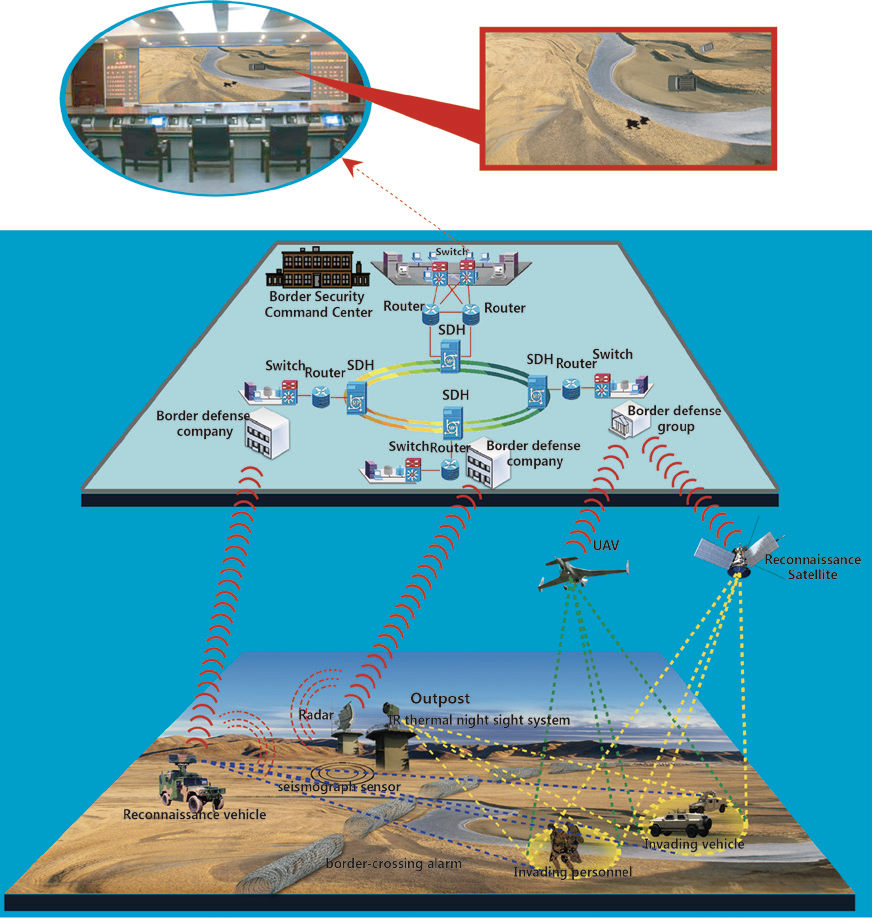
System Layout
Composition Diagram