中文
中文Executive Summary
In a move that sends a powerful signal across the European energy market, the Belgian government announced on May 12, 2026, its intention to fully nationalize the country’s nuclear assets currently held by the French utility giant Engie. This strategic “volte-face” marks the end of a twenty-year nuclear phase-out policy. By taking direct ownership of all seven reactors, Prime Minister Bart De Wever’s administration is betting that the state—not the private sector—is the only entity capable of underwriting the risks of a long-term, stable energy baseline in an era of geopolitical fragmentation.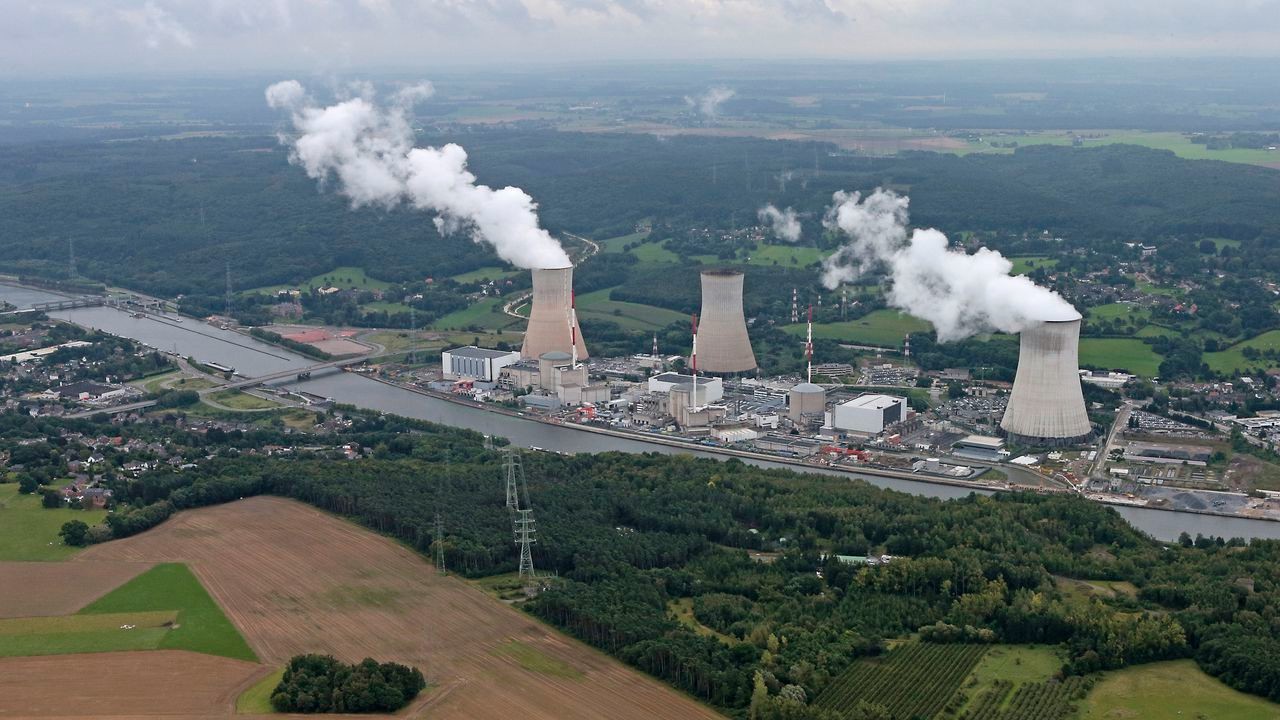
Article Outline
-
The Great Reversal: From the 2003 Phase-out Law to the 2026 Nationalization.
-
The Terms of the Takeover: Analyzing the Letter of Intent (LOI) and the October deadline.
-
The Strategic Pivot: Why “State Control” is being rebranded as “Industrial Resilience.”
-
Financial Fallout: Dealing with the €15 billion (approx. $16 billion) waste liability and decommissioning costs.
-
Conclusion: Belgium as a blueprint for the “New Energy Statism” in Europe.
The Atomic Sovereign: Reclaiming the Grid in an Age of Chaos
History has a way of moving in circles. In 2003, Belgium passed a landmark law to exit nuclear power forever. By May 2026, that same nation has moved to nationalize its entire fleet. This isn’t just a change in energy policy; it is a fundamental shift in the role of the state. As international energy supplies become increasingly weaponized, Belgium has decided that the “invisible hand” of the market is no longer strong enough to hold the light switch.
1. The Death of the Phase-Out
The decision to take over Engie’s nuclear activities is the final nail in the coffin for Belgium’s anti-nuclear era. For years, the country flirted with the idea of extending its reactors, but the “2026 Nationalization” goes much further. The government isn’t just asking for a life extension; it is buying the entire “Atomic House.”
By ordering an immediate halt to all decommissioning works—even on reactors that had already entered the shutdown phase—the state is keeping every option on the table. This is “Strategic Optionality”: in a world where gas is expensive and renewables are variable, a mothballed nuclear plant is a dormant strategic asset that the state can no longer afford to destroy.
2. The Negotiated Divorce with Engie
The relationship between Brussels and Paris-based Engie had reached a breaking point over the cost of decommissioning. With estimates ballooning and tensions rising, the nationalization offers a “Clean Break.”
For Engie, this is an exit from capital-intensive legacy risks, allowing them to focus on pure renewables. For Belgium, it is the purchase of Energy Sovereignty. The government’s goal to reach a final agreement by October 1, 2026, shows a sense of urgency. They aren’t just buying reactors; they are buying the personnel, the subsidiaries, and the sites (like Doel 5) which are crucial for the potential deployment of Small Modular Reactors (SMRs) in the 2030s.
3. Rebranding Nationalization as Resilience
In the 20th century, nationalization was often seen as a socialist relic. In 2026, it is being rebranded as Industrial Resilience. Prime Minister De Wever’s logic is simple: energy is now a matter of national security.
By removing the “profit motive” from nuclear operations, the state can prioritize supply stability over quarterly dividends. This allows Belgium to provide a “Guaranteed Baseline” for its heavy industry, which has been reeling from the price shocks reported by the WEF and IEA earlier this month. The state is effectively acting as the ultimate insurer for the Belgian economy.
4. The Cost of Certainty
Of course, sovereignty is not free. Belgium is inheriting massive liabilities. With waste management costs estimated at €15 billion, the fiscal burden is immense. However, the unique viewpoint of this researcher is that the cost of inaction—the risk of a blackout or industrial flight—is viewed as even higher. The 2026/27 budget logic here mirrors Australia’s recent pivot: use state power to stabilize the “backbone” of the system so that the “fingertips” (innovation and renewables) can flourish.
5. Conclusion: The Rise of Energy Statism
Belgium’s move is part of a broader “New Energy Statism” sweeping across Europe. From France’s full takeover of EDF to Belgium’s nationalization of Engie’s fleet, the continent is realizing that the energy transition is too volatile to be left entirely to the private sector.
The 2026 Belgian takeover is a signal to the world: the era of the “unregulated market” in energy is over. The future belongs to states that can integrate their nuclear past with their renewable future into a single, state-guaranteed platform. Belgium is no longer just a consumer of energy; it is once again a producer and a protector of its own light.
Core Content of the Event
-
The Announcement: May 12, 2026: Belgium signs a Letter of Intent to acquire all nuclear activities from Engie.
-
The Scope: Full takeover of seven reactors, personnel, and associated liabilities (including decommissioning).
-
The Rationale: Addressing supply instability and securing “safe, affordable, and sustainable” power.
-
The Reversal: An official end to the 2003 nuclear phase-out, with decommissioning works suspended to allow for potential restarts or extensions.