中文
中文Executive Summary
The World Economic Forum (WEF) has officially labeled the current turmoil as the “largest energy crisis in history.” While the Middle East conflict serves as the immediate trigger for supply chain paralysis, the true story lies in the unprecedented global response. A coalition of over 50 nations is now using trade weaponry—not just environmental policy—to kill fossil fuel demand. We are moving from an era of “Energy Transition” to “Energy Security through Elimination.”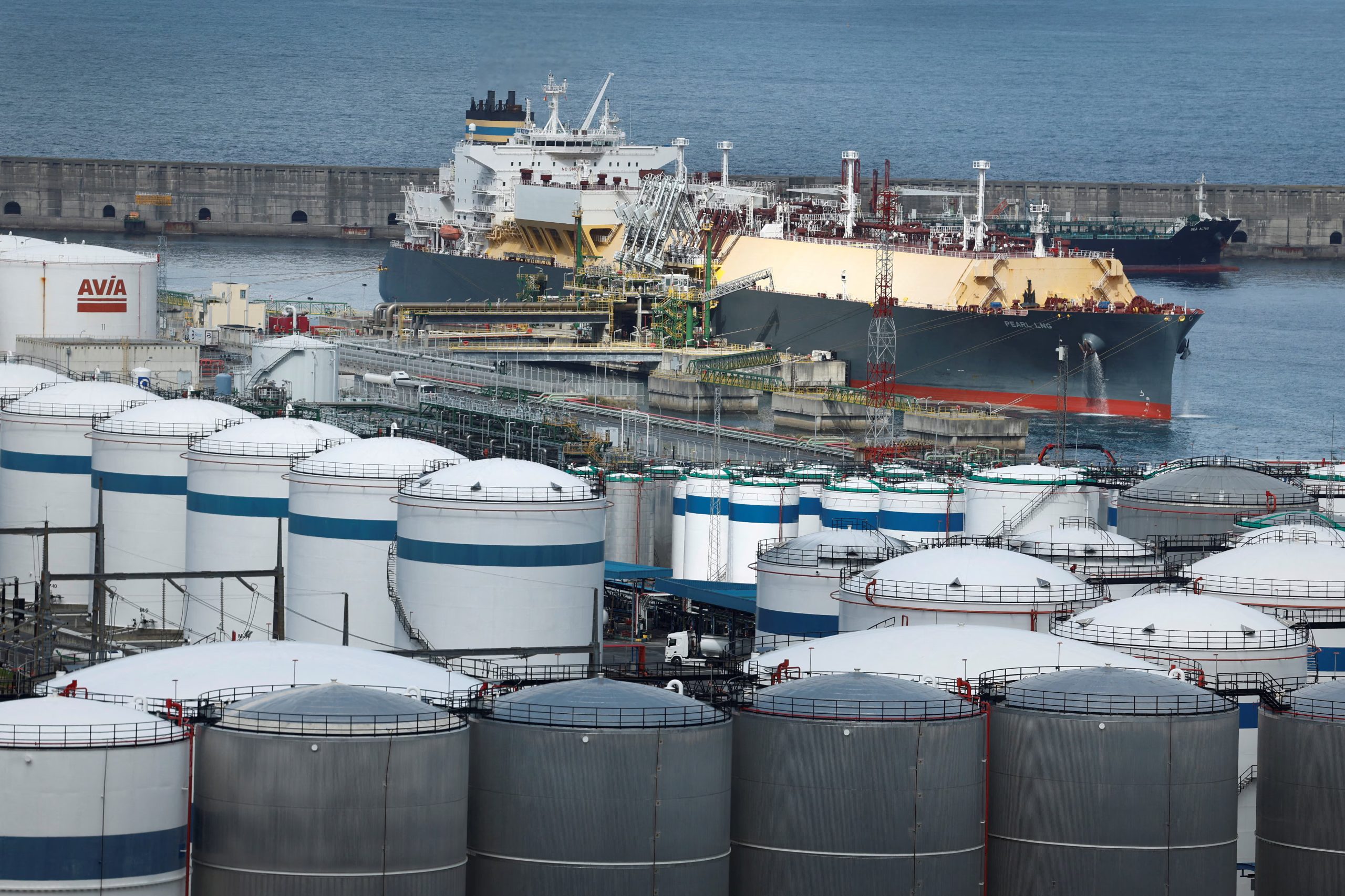
Article Outline
-
The Trigger: Why the 2026 Middle East conflict is the “Last Straw” for global supply chains.
-
The Policy Shift: Analyzing the 50-nation trade agreement: From carbon taxes to mandatory demand cuts.
-
The End of the “Gas Bridge”: How the crisis is forcing a leapfrog past natural gas directly into multi-source electrification.
-
Strategic Autonomy: Energy diversification as the new “National Defense.”
-
Conclusion: Why this crisis is the final nail in the coffin for the 20th-century oil-centric geopolitical model.
The Great Decoupling: A New World Order Born of Scarcity
The headlines coming out of Davos are no longer about “Net Zero 2050” targets; they are about survival in 2026. By designating this the “largest energy crisis in history,” the WEF is acknowledging that the fragile threads holding the global oil and gas supply chain together have finally snapped. But beneath the chaos of interrupted tankers and surging prices, a more profound, more aggressive industrial revolution is being fast-tracked.
1. The Weaponization of Trade: A Paradigm Shift
The most striking element of the WEF report is the agreement among 50+ nations to use trade mechanisms to slash fossil fuel demand. This is a radical departure from the past. For decades, trade was the vehicle used to move oil; now, it is being used as a scalpel to excise it.
We are seeing the emergence of “Green Trade Blocs.” By implementing cross-border carbon adjustments and mandatory reduction quotas, these nations are essentially making fossil fuel consumption a financial liability. They are no longer waiting for green energy to become “cheaper”; they are making fossil fuels “too expensive to use.” This is not market evolution; it is a state-led market execution.
2. Beyond the “Middle East Hook”
The Middle East conflict has exposed a fatal flaw in the global economy: the “Single Point of Failure.” The current supply chain disruption isn’t just a temporary inconvenience; it’s proof that relying on a single geography for the “lifeblood” of the economy is a strategic suicide.
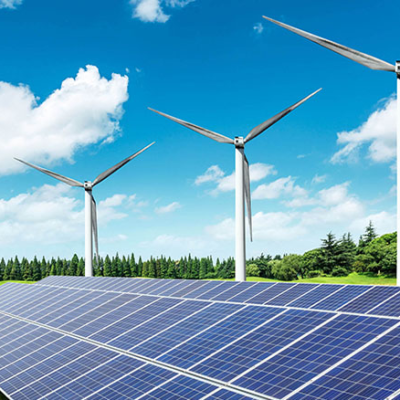
Consequently, “Energy Diversification” has evolved from a sustainability goal into a National Defense priority. The WEF report highlights that the shift to renewables is no longer being driven by climate activists, but by military and security strategists. In 2026, a solar panel or a wind turbine is being viewed as a “defensive asset” that cannot be blocked by a naval blockade or a damaged pipeline.
3. The Death of the “Transition Fuel” Myth
For years, natural gas was touted as the “bridge” between coal and renewables. The 2026 crisis has burned that bridge. With gas prices decoupling from reality due to supply interruptions, industries are being forced to “leapfrog.”
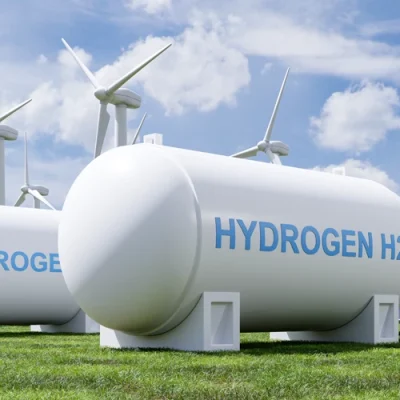
Aviation and heavy chemicals—sectors the IEA noted were shrinking—are now bypassing the gas-reliant middle ground. We are seeing a massive, desperate pivot toward green hydrogen and long-duration energy storage (LDES). The “Greatest Energy Crisis” is effectively acting as a high-pressure furnace, forging new technologies that were previously deemed “un-economic” just 24 months ago.
4. The Rise of “Energy Localism”
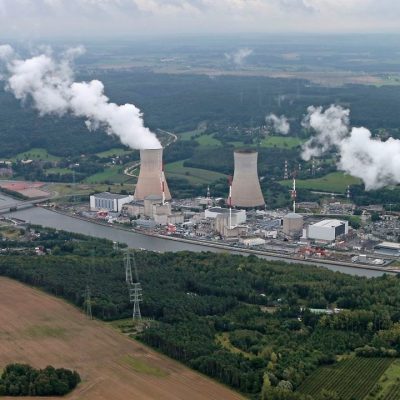
The WEF highlights that the crisis is accelerating a move toward localized energy systems. The 50-nation agreement focuses on decentralized grids and multi-source diversification (Nuclear, Geothermal, Solar, Wind). This is the end of the “Grand Pipeline” era. The future is a fragmented, but resilient, patchwork of local production. This reduces the geopolitical leverage of oil-rich states and shifts power to nations that control the technology and the minerals (Lithium, Copper, Rare Earths) required for this new infrastructure.
5. Conclusion: The Pain of Progress
Historians will look back at May 2026 as the moment the world stopped talking about energy security and started forcing it. The contraction in demand isn’t a sign of a failing global economy, but of an economy undergoing a violent, necessary metamorphosis.
The “Largest Energy Crisis” is a brutal teacher, but its lesson is clear: Dependence is a vulnerability; Diversification is sovereignty. The world is not just running out of affordable oil; it is running out of patience for the volatility that oil brings. We are witnessing the birth of a leaner, more electrified, and ultimately more stable global system—one that no longer holds its breath every time a conflict flares in the Middle East.
Core Content of the Event
-
The Shock: Middle East conflict as the catalyst for the “Largest Energy Crisis” in history.
-
The Response: 50+ nations signing a trade-based pact to forcibly reduce fossil fuel demand.
-
The Strategy: Transitioning energy from a “Commodity Trade” to a “Technology Defense” sector.
-
Unique Insight: The 2026 crisis has effectively ended the “Natural Gas Bridge” era, forcing a direct leap to a multi-source, electrified energy system.