中文
中文For the past two decades, the power industry has operated on a quiet but stubborn assumption: open cycle gas turbine (OCGT) plants are the sprinters of the grid—fast, flexible, and fundamentally dirtier than their combined cycle cousins. When it comes to nitrogen oxide (NOx) control, the conventional wisdom has been to accept higher emissions in exchange for rapid start-stop capability. That assumption just lost its excuse.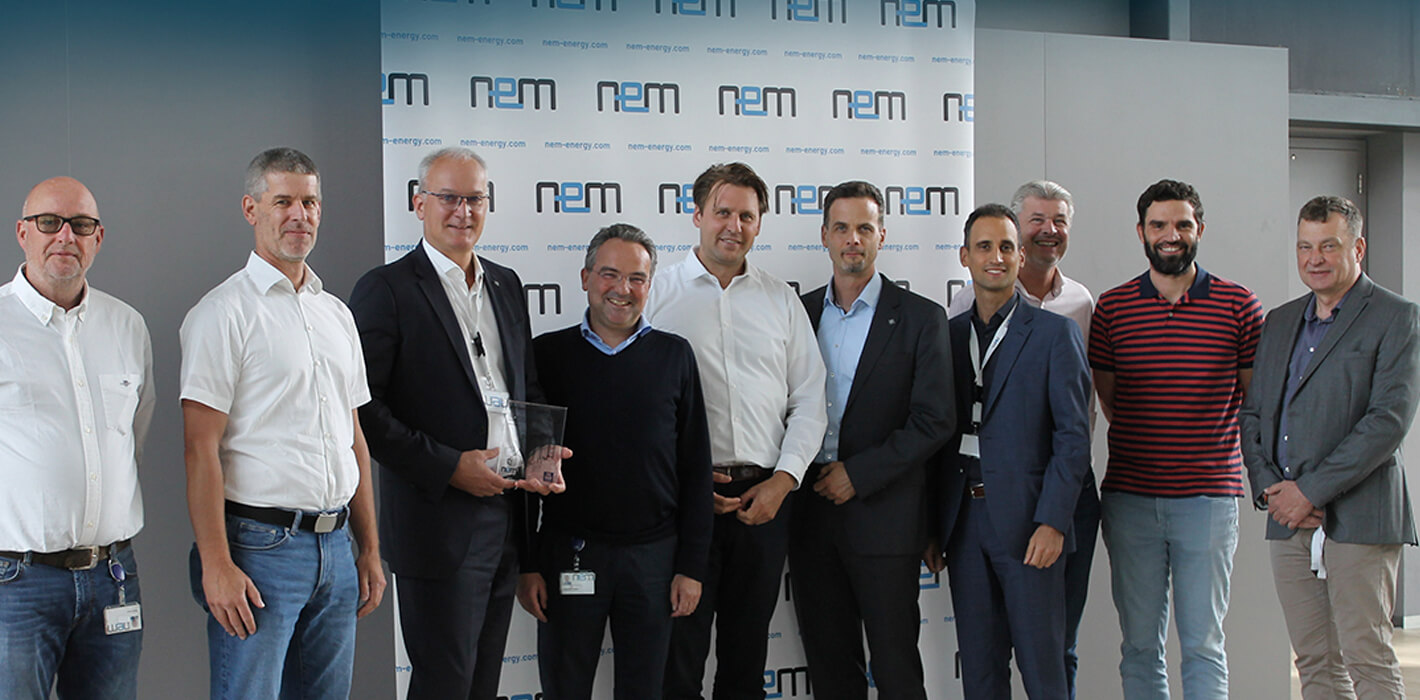 采集失败,请手动处理
On January 5, 2026, Yara—a name more familiar in crop nutrition than smokestacks—and NEM Energy, a Dutch thermal engineering veteran, announced a strategic collaboration targeting exactly that blind spot. Their goal: deliver integrated, high-efficiency NOx reduction for OCGTs, the power sector’s “peaking plants” that have long dodged meaningful emission controls due to searing exhaust temperatures and brutal operational cycles. The first five units are already sold for a Texas project, with more than ten orders booked in 2025 and a bullish outlook for 2026.
On the surface, this looks like another SCR supplier partnership. But as someone who tracks industrial emissions technology across marine, power, and heavy industry, I see something rarer: a deliberate, non-hype move that challenges a genuine technical frontier. Let me unpack why this matters, where it might stumble, and why you should pay attention even if you don’t care about gas turbines.
The Problem No One Wanted to Solve
Open cycle plants are the shock absorbers of modern power grids. Renewables surge? OCGTs ramp up in minutes. Demand collapses? They shut down just as fast. But that flexibility comes at a cost. Unlike combined cycle plants (which extract extra energy from exhaust heat), open cycle turbines vent gas at 500–600°C straight to the atmosphere. Traditional selective catalytic reduction (SCR) systems—the gold standard for NOx removal—work best at lower, stable temperatures (roughly 300–400°C) and hate thermal cycling. Frequent starts and stops crack catalysts, poison reagents, and drive up maintenance.
Consequently, many OCGT operators have simply accepted higher NOx permits or relied on less efficient methods like water injection. That regulatory loophole is closing. From the EU’s Industrial Emissions Directive revision to the US EPA’s Good Neighbor Plan, peaking plants are increasingly in the crosshairs. Yara and NEM are betting that “good enough” is no longer good enough.
What’s Actually New Here (And What Isn’t)
Let’s separate innovation from integration. Yara brings its SCR catalyst chemistry and reagent systems—proven in marine scrubbers and automotive DEF (diesel exhaust fluid) markets. NEM contributes plant design engineering and, crucially, the T-SCR unit, which essentially repackages the catalyst and injection system to survive high-temperature transients. The “secret sauce” isn’t a single breakthrough; it’s the thermal integration. By embedding Yara’s catalysts into NEM’s heat recovery architecture, they’re effectively cooling the exhaust just enough—via heat exchange—to keep SCR efficiency above 85% while avoiding thermal shock during start-stop cycles.
The Texas project, featuring five NEM T-SCR units, will be the first real-world test. If it works, it proves that OCGTs can meet combined cycle NOx levels (single-digit parts per million) without sacrificing grid responsiveness. If it fails—catalyst degradation within 12 months, or reagent consumption that kills economics—then this collaboration becomes a cautionary tale.
A Unique View: The “Silent Transition” Hypothesis
Here’s my personal take, which you won’t find in the press release. Most energy transition coverage obsesses over solar, storage, and hydrogen. But the real, unglamorous work happens in exhaust ducts. The Yara-NEM deal is part of what I call the silent transition—retrofit and optimization technologies that don’t make headlines but collectively reduce more emissions than any single megaproject. OCGTs currently provide 10–15% of peak power in many US and European grids. Cutting their NOx by 60-70% is equivalent to removing millions of diesel cars, no new transmission lines required.
Yet there’s a tension here. Yara is a fertilizer giant pivoting hard into industrial solutions. NEM has survived a century by being conservative. Their collaboration is pragmatic, not flashy. No blockchain, no AI, no carbon-negative promises. Just chemistry and mechanical engineering. In an era of greenwashing, that austerity is actually refreshing. But it also means they have zero margin for over-promising. If the Texas plant sees catalyst poisoning from trace sulfur or ammonia slip exceeding permits, the market will punish them ruthlessly.
Where the Real Risk Lies
Three risks keep me cautious. First, open cycle economics are brutal. These plants run 500–1,500 hours annually. Adding a sophisticated SCR system could increase levelized cost of electricity by 10-15%. Will regulators force that cost, or will operators simply run fewer hours and burn more gas elsewhere? Second, catalyst durability under thermal cycling is unproven at this scale. Yara’s marine experience involves steady-state engines, not peaking turbines. Third, NEM’s T-SCR design adds pressure drop, which reduces turbine output slightly—a non-starter for some grid operators.
That said, the fact that they’ve already secured “more than 10 units” in 2025 suggests early adopters (likely in Texas and Europe) see a compliance bargain rather than a burden.
The Bottom Line
This isn’t a breakthrough. It’s a bridge. Yara and NEM are doing something unsexy but necessary: proving that open cycle peakers can clean up without losing their job. If successful, they’ll quietly tighten NOx rules for hundreds of plants globally over the next decade. If not, they’ll join a long list of well-intentioned SCR integrations that worked on paper but failed in the field.
For industry watchers, the signal is clear. Watch the Texas startup curve. Watch catalyst change-out intervals. And watch whether 2026’s orders exceed 2025’s. That’s where the real story lives—not in press release quotes, but in thermal cycles, reagent consumption, and the unglamorous math of parts per million.