中文
中文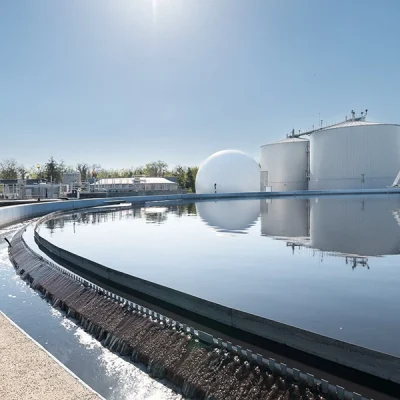
⚠️ Zambia’s Water Crisis
Despite being endowed with abundant water resources from the Zambezi and Congo river basins, Zambia faces a critical water crisis that has persisted for decades. With a population that has doubled since 2000, the country’s water infrastructure—most of which was built in the 1970s and 1980s—has failed to keep pace with growing demand.
Approximately 41% of Zambians lack access to safe drinking water, with rural areas suffering the most at only 43% coverage compared to 89% in urban centers. In major cities like Kitwe and Lusaka, residents endure intermittent water supply, often receiving water for just 6-10 hours per day.
This crisis not only undermines public health—contributing to outbreaks of waterborne diseases like cholera—but also hinders industrial development, particularly in the mining and manufacturing sectors that are the backbone of Zambia’s economy. Against this backdrop, RFI’s Zambia Water Supply Project emerges as a transformative initiative designed to address these pressing challenges and build a sustainable water future for the country.
🗺️ Comprehensive Project Scope
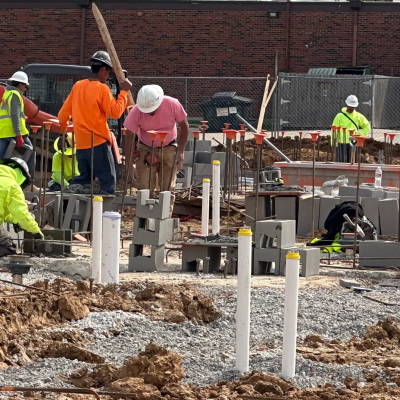
RFI was awarded the turnkey contract to design, construct, and commission a comprehensive water supply system serving the Copperbelt Province, Zambia’s industrial heartland. The project spans Kitwe, Kalulushi, and Chambeshi districts.
Treatment Plants
Rehabilitation and expansion of three existing water treatment plants with advanced technology.
Pipeline Network
Construction of 120 kilometers of new transmission and distribution pipelines.
Storage Reservoirs
Installation of four elevated storage reservoirs with 15,000 cubic meters combined capacity.
SCADA System
State-of-the-art monitoring system for real-time management of the entire water network.
🔬 Advanced Water Treatment Technology
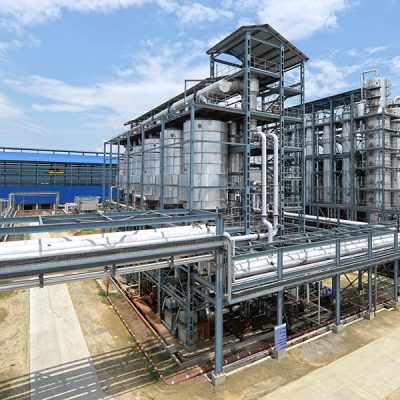
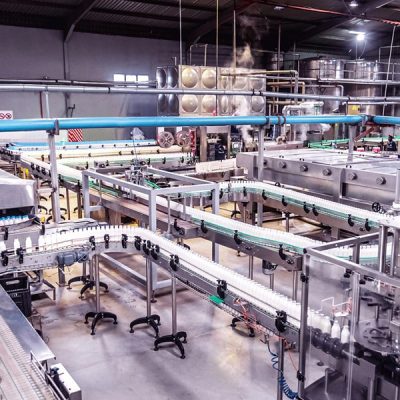
At the core of RFI’s solution is its advanced water treatment technology, optimized to handle the region’s specific water quality challenges, including high levels of manganese and sedimentation from mining activities.
Treatment Systems
- ✓
Multi-stage filtration systems - ✓
Advanced chemical dosing technology - ✓
Automated quality monitoring - ✓
Meets WHO drinking water standards
NRW Reduction
- ✓
Replaced 45km of corroded pipelines - ✓
Smart water meters installation - ✓
Pressure management systems - ✓
NRW reduced from 44% to 28%
Financial Sustainability: These measures have significantly improved the financial sustainability of the water utility by reducing non-revenue water losses.
💖 Transformative Social Impact
Reliable Water Supply
Eliminating the need for families to spend hours each day collecting water from unsafe sources.
Disease Reduction
Reduction in waterborne diseases according to Zambian Ministry of Health data.
Construction Jobs
Direct jobs created during construction phase plus 120 permanent O&M positions.
Staff Trained
Local water utility staff trained to operate and maintain infrastructure independently.
🌍 Alignment with National & Global Goals
The successful completion of the Zambia Water Supply Project demonstrates RFI’s exceptional expertise in delivering complex water infrastructure solutions in challenging environments.
🇿🇲 National Water Policy
The project aligns with the Zambian government’s National Water Policy, supporting the country’s strategic objectives for water security and economic development.
🎯 UN SDG 6
Contributes to United Nations Sustainable Development Goal 6: Ensure availability and sustainable management of water and sanitation for all.
Building a Sustainable Water Future
By combining advanced technology with a deep understanding of local needs and conditions, RFI has not only addressed a critical social and economic challenge but also established a sustainable model for water supply development in Zambia.
As RFI continues to expand its water infrastructure projects across Africa, it remains committed to building resilient, sustainable systems that improve livelihoods and drive inclusive economic growth.